

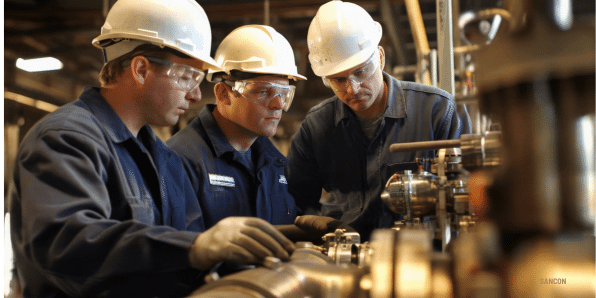
While commissioning is a common practice for functionality and workflow, many are unaware of its deep ties to energy efficiency and conservation. The collaboration between commissioning and sustainability efforts is one rooted in a desire for a flourishing and golden tomorrow. Let’s take a look at how these two subjects intertwine.
Sustainability and Commissioning: The Sanctity of Synergy
Sustainability in new construction projects is often a balancing act involving resources, ideals, regulations, and practicality. Finding the right balance between these sustainability drivers early in the design phase is more important than ever, especially as systems become more interconnected.
As we look to the future, sustainability in the building is set to evolve with technological advancements and a growing commitment to protecting our planet. Smart building technologies, renewable energy sources, and cutting-edge materials will drive new levels of efficiency and performance. Building commissioning will be crucial in making sure these systems work as intended, maximizing energy savings and minimizing carbon footprints.
Trends like net-zero energy buildings, resilient design, and the circular economy are changing how we think about sustainable construction. Commissioning ensures that buildings meet these ambitious goals and adapt to changing conditions.
Sustainability in new construction projects involves a delicate balance of resources, ideals, regulations, and practicality. These elements often conflict with one another; for instance, installing solar panels is environmentally beneficial yet incurs significant costs and maintenance. Striking the right balance between these drivers during the early phases is crucial, especially as building systems become increasingly interconnected.
Future of Sustainability and Building Commissioning
Technological advancements and a growing commitment to environmental stewardship are set to transform the future of sustainability in commissioning. Integrating smart building technologies, renewable energy sources, and advanced materials will drive new levels of efficiency and performance. Building commissioning will ensure these systems operate as intended, maximize energy savings, and reduce their carbon footprint.
Emerging trends like net-zero energy buildings, resilient design strategies, and the circular economy will redefine how we approach sustainable construction. Commissioning will be essential in verifying that buildings meet these ambitious goals and adapt to changing conditions over time.
By investing in comprehensive processes, you can guarantee that your project not only meets performance and cost objectives but also aligns with sustainable practices, ensuring long-term viability and minimal environmental impact contributing to a prosperous future for everyone.